



30 Oct Beyond Ancestry DNA: What Responsible African Diaspora Reconnection Can Look Like
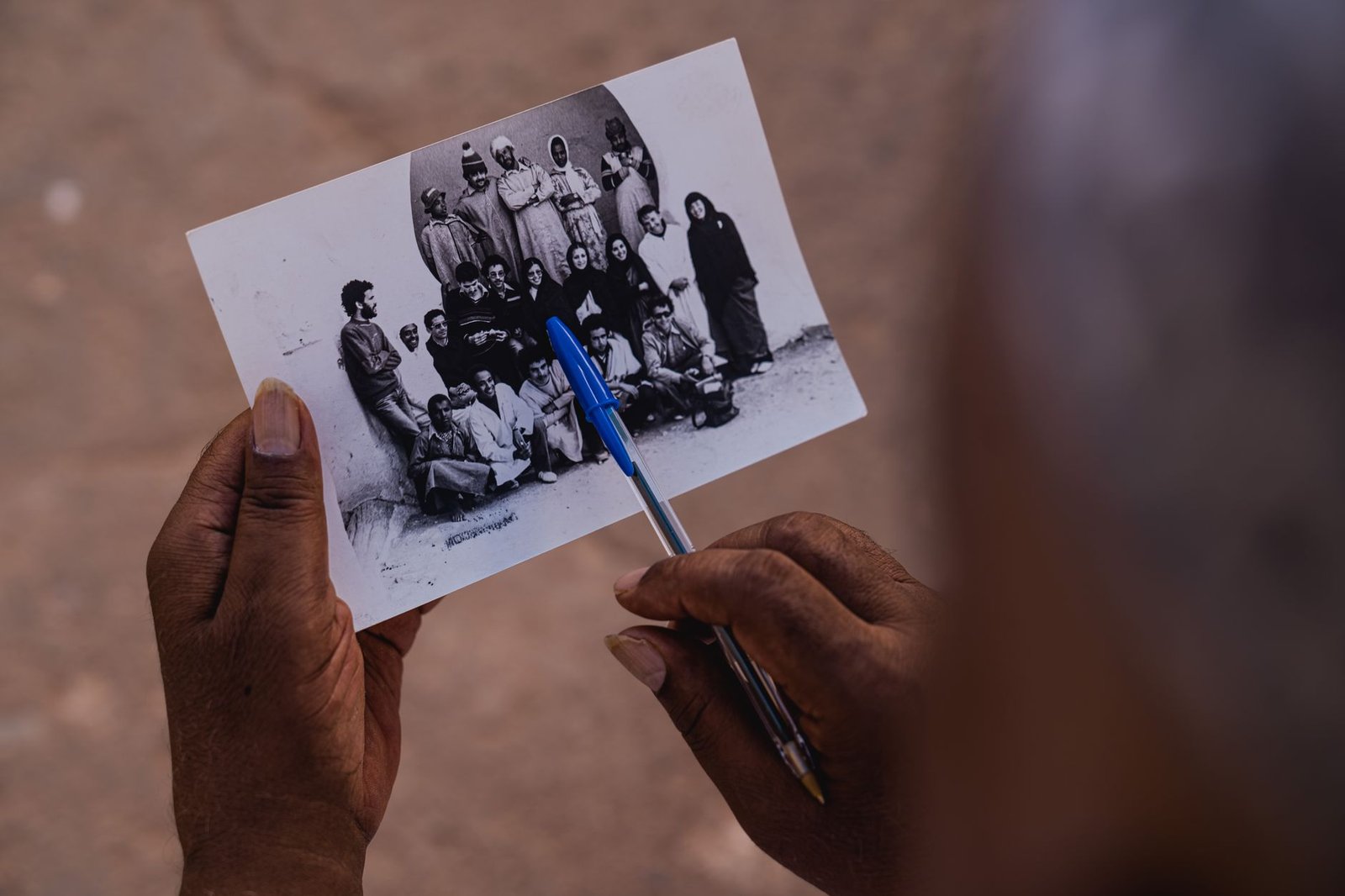
Photo: Youssef Elbelghiti on Pexels
You open your results. The map lights up. A country, maybe a region, maybe a group of people you’ve never heard of.
Then you search for flights.
I understand the pull. I also want to slow you down, because a result is where a responsible reconnection begins, not where it ends.
How can I reconnect with Africa respectfully after receiving ancestry results?
Here are five steps I’d take.
1. Treat the result as a lead. A DNA estimate compares your DNA to a reference panel. It doesn’t prove a village, a king or a family name. Companies add and change regions and groups as their data grows. Take the result to the records and see what they can confirm.
2. Build the paper trail. Find named ancestors in census pages, church records, ship manifests, wills. Work back until you reach the last place you can document. That place, not a percentage, is where you start asking questions.
3. Learn before you land. Read the history of the place and people. Learn the greetings. Learn what the community is dealing with now: land, water, schools, politics. Don’t arrive expecting the story to be about you.
4. Go by invitation. Look for organizations led by people from the place. At the Nkyinkyim Museum in Nuhalenya, near Ada, Ghana, diaspora members from Suriname, the UK, the US and Nigeria joined local communities for an ancestral veneration ceremony, according to reports published October 19 to 22. The museum’s founder, Kwame Akoto-Bamfo, framed it as a ceremony that recognizes everybody’s community. Participants described being welcomed by name. Ritual, libations, offerings and workshops with traditional experts came before the public ceremony.
5. Give back and stay. Efua Irene Agyeman Hin of the Diasporan WelHouse said justice also means everyday work like teaching children and preserving traditions. Ask what the community needs. Support it with money, skills or sharing records. Then come back.
What to avoid
- Treating a tour like a transaction
- Taking photographs of rituals without permission
- Claiming a heritage the records don’t support
- Disappearing after the trip
What this means for you
You don’t have to be certain of your origin to show up with humility. You do have to do the work first.
Talk it through
If you’ve received DNA results and aren’t sure what to do next, every service I offer starts with a 60-minute Discovery Call. I listen to what you’re working on and tell you what’s possible and what the right next step is. Book your Discovery Call.