



01 Nov Why Archives, Ritual and Place All Matter in Heritage Travel
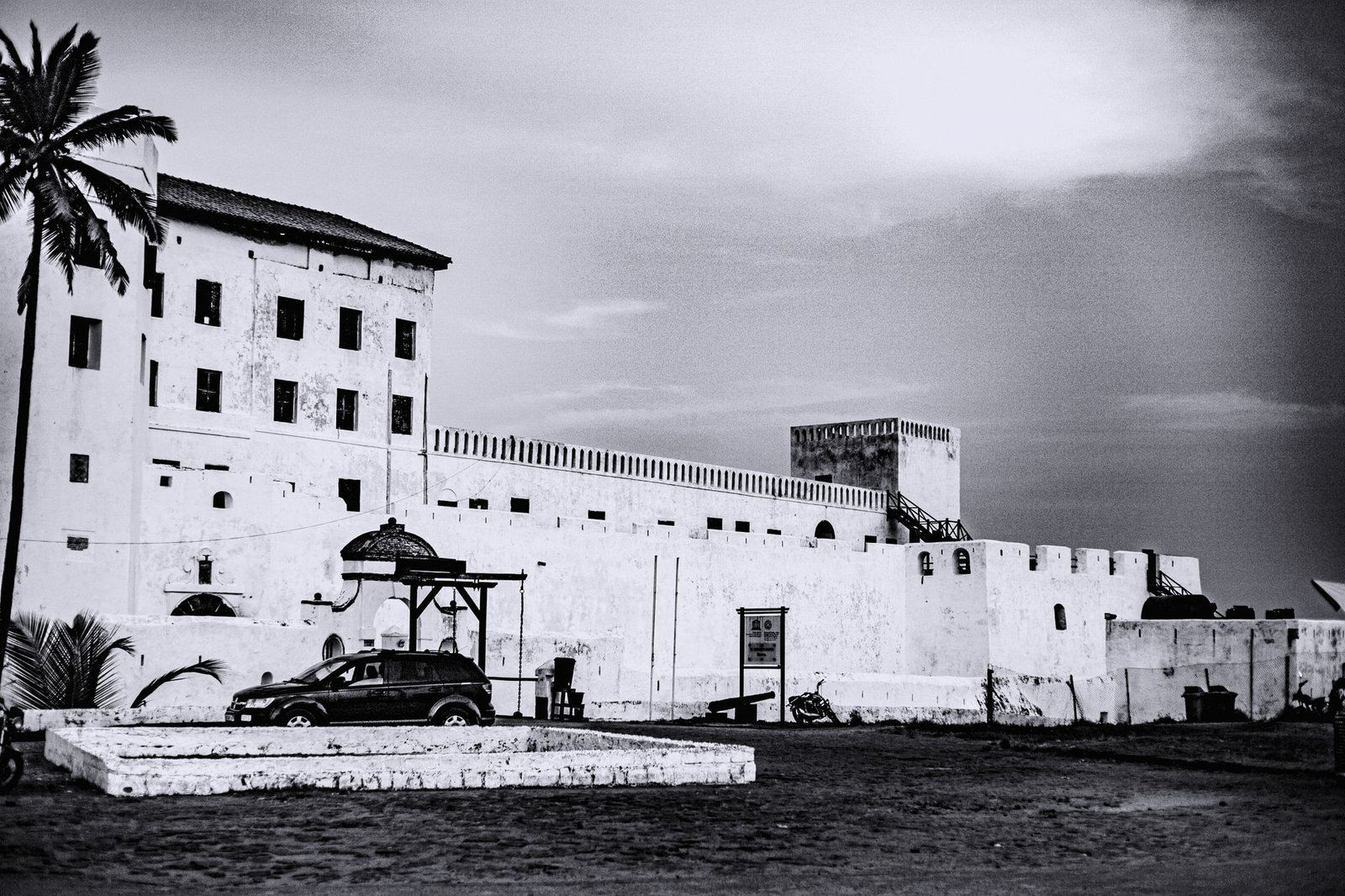
Photo: Tumsia Daniel on Pexels
You can stand in front of a building, read the plaque, take the photo, and leave exactly as you came.
In Alexandria, Virginia, the Franklin and Armfield slave-trading office on Duke Street is now the Freedom House Museum. Rachel Daggs was sent from Alexandria to New Orleans on the brig Tribune in 1835. If you visit with only a picture in mind, you see a historic house. If you visit with her name, the manifest line, the date of arrival and the question of what happened next, you see a place she was in.
That difference is what I mean by meaningful ancestral travel.
How can ancestral travel become more meaningful than visiting historic sites?
Three things work together: archives, ritual and place.
1. Archives: know who you’re looking for.
Before you go, find your people on paper. A name, an age, a ship, a year. Records give your visit a purpose. Archives also teach humility: they show how much is missing, and who took care to keep what is here.
2. Ritual: decide how you will arrive.
At the Nkyinkyim Museum in Nuhalenya, near Ada, Ghana, members of the diaspora joined local communities for an ancestral veneration ceremony reported October 19 to 22. Participants wore white. They marched, sang and danced, poured libations and made offerings. They took part in workshops and restorative sessions beforehand. Museum founder Kwame Akoto-Bamfo said calling ancestors’ names restores what slavery took. Ritual gives the day a shape, and the shape says you’re a guest and a descendant, not a spectator.
3. Place: put the community at the center.
The reporting describes a gathering built around people from the place and from the diaspora together. Akoto-Bamfo spoke of a ceremony that recognizes every community involved. Visit with local guides. Eat where locals eat. Ask what they need. When you go home, don’t forget them.
A short plan
- Before: Find names and dates in records. Write down the questions you hope to answer.
- During: Visit archives and sites with a local guide. Take part in any rituals you’re invited to, and ask before photographing.
- After: Share what you found with the archive or museum. Return when you can.
What to avoid
Treating a site as a backdrop. Skipping the records. Expecting an emotional moment on demand.
If you’re planning your own research or trip
Every service I offer starts with a 60-minute Discovery Call. I listen to what you’re working on and say what’s possible and what the right next step is. Book your Discovery Call.
Sources
- Africanews, African Americans return to Ghana to honour ancestors lost to slavery
- Broadcast Media Africa, African diaspora reunites at Ghana’s Nkyinkyim Museum
- Nkyinkyim Museum
- National Archives microfilm M1895, Roll 7, brig Tribune manifest (Aisha’s research)