



29 Oct The Records That Preserve a Nation’s Voice May Also Preserve Your Family
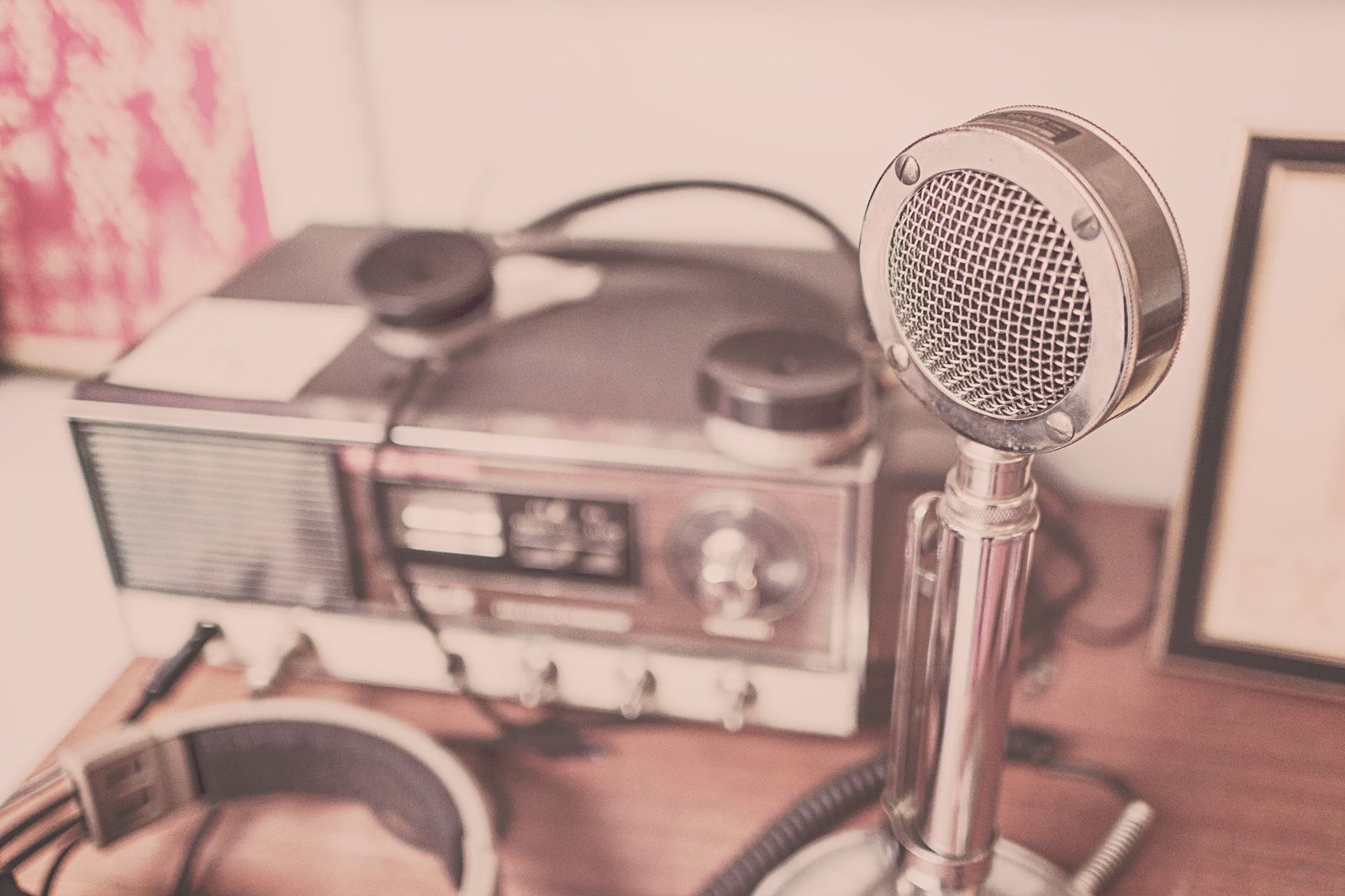
Photo: Gratisography on Pexels
Somewhere in a radio archive, a presenter read out a name.
It could have been a birth notice, a missing-person call, a greeting from one town to another, a winner at a school contest. Nobody wrote it into a census. It went out on the air, and a tape recorder may have kept it.
That’s what I mean when I say a nation’s voice might also hold your family.
What does the Radio Mogadishu Archive hold?
I can’t tell you. Nobody outside Somalia can yet, and that’s the point. Founded in 1951, the Radio Mogadishu Archive holds about 45,000 audio tapes. UNESCO reports that over 85 percent still work, about 10 percent have badly deteriorated, and more than 5 percent have been destroyed or critically damaged by fire and other disasters. The archive has no comprehensive catalogue, so finding a specific voice is hard.
In June 2026, Somalia’s Ministry of Information, Culture and Tourism and UNESCO held a workshop in Mogadishu, with funding from the Government of Japan. The improved archive facilities opened on the final day. The Minister called the archive a documentary treasure of immense national importance.
Why would a genealogist care?
Standard genealogy databases are built from forms: births, deaths, marriages, censuses, ships’ lists. They’re essential. They’re also thin. They tell you who was counted, not how people spoke, what they sang, or what the community was worried about that week.
Radio archives of this kind can hold, in general:
- Names. Announcements, dedications, interviews, news of deaths and arrivals.
- Interviews and testimony. Elders speaking in their own words and languages, sometimes about events no document recorded.
- Music and performance. Songs, poetry and stories that carry place names and family names.
- Community context. What was happening in a town, a school, a market, a political season.
My own ancestors are mostly found on paper: Rachel Daggs on a ship’s manifest, a family on the 1870 census. Paper tells me where she was counted. It rarely tells me what her world sounded like.
How to search for a family inside a sound archive
- Start with the institution. Find out who holds the collection and whether it has a finding aid, even a rough list.
- Bring specifics. Names with every spelling you know, towns, years, languages, programme types.
- Ask about access. Is it digitized? Who can listen? Are there restrictions?
- Expect to wait. Many collections are still being inventoried. Your question may help them decide what to describe first.
What to take away
When a project like this one succeeds, it won’t only save tapes. It will make a country’s sound searchable. And if it’s done with care, some of us will find a grandmother’s greeting or a village’s name in a place we never thought to look.
Send me your question
Every Thursday at 7:00 PM Pacific I work through reader questions on camera at the Reference Desk. Ask me where records like these are kept or how to approach an archive. You never have to appear on camera. About six questions get answered live each session. Send yours at the Reference Desk.