15 Dec Preserving Your Legacy- Digitizing , Organizing and Preserving Your Family History
This is a community education course, meaning it is also taught LIVE with various community colleges in California. To join the course LIVE See the details below as they are updated per year, per semester ! The self- paced course content is below. Don’t forget to grab the free course materials in the materials tab!
LIVE February 4, 2026 : Spring 2026, Sierra Community College- Community Education
LIVE Fall 2026 Sierra Community College Community Education : TBA
Module 6 of the Tracing Our Roots, Reclaiming Our Legacy Course
Family history research does not end with discovery—it continues through care, preservation, and intentional stewardship.
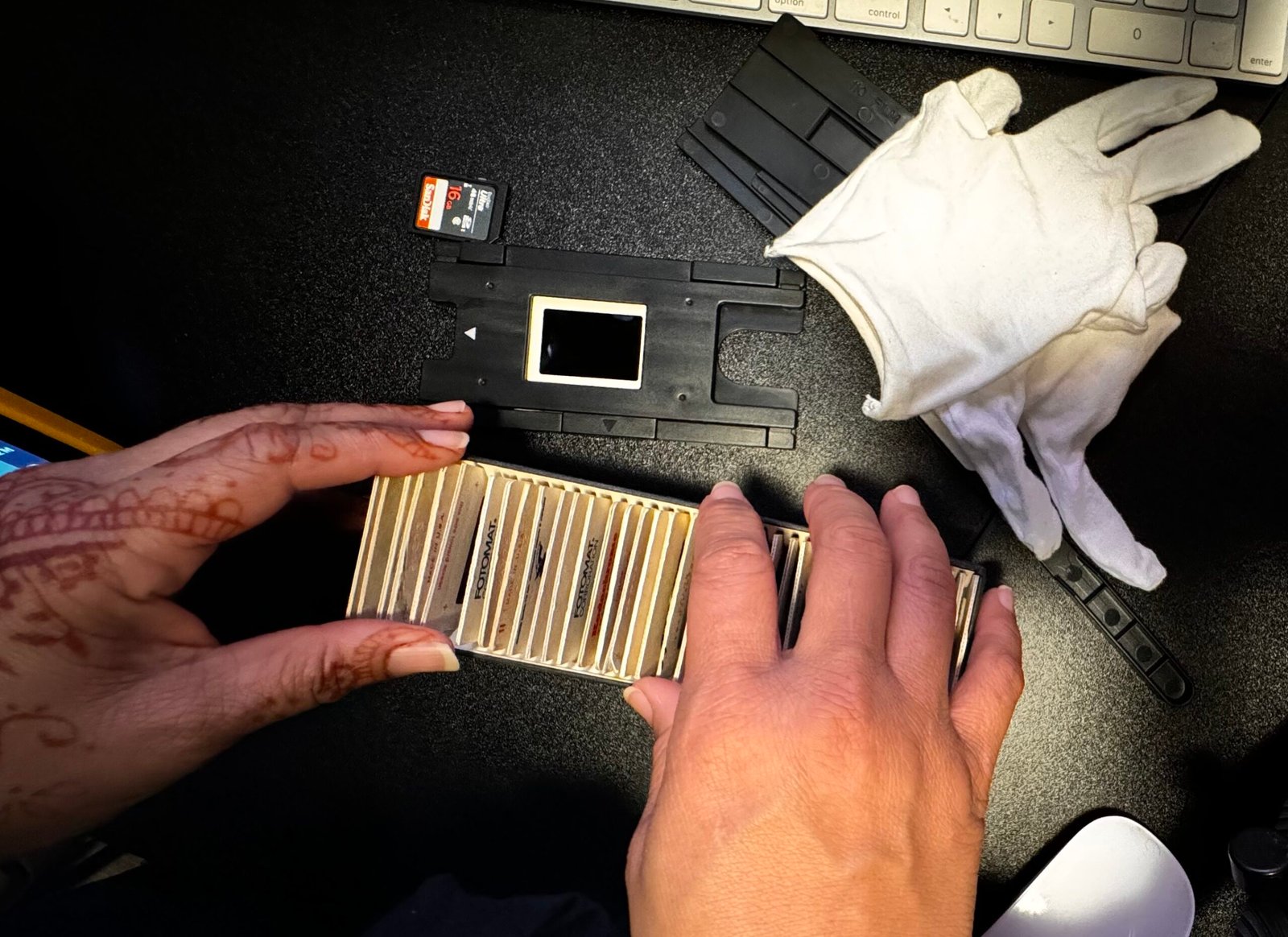
Preserving Your Legacy: Digitizing, Organizing & Protecting Family Memories is a focused, self-paced course that also serves as Module 6 of the full program, Tracing Our Roots, Reclaiming Our Legacy. This course is designed to help learners safeguard genealogical materials and ensure that family memories remain accessible, meaningful, and protected for future generations.
This module provides practical, approachable guidance for digitizing photographs and documents, organizing digital files, and caring for both physical and digital family archives. The emphasis is on sustainability, accessibility, and care—rather than technical perfection.
About the Course
Led by Archivist and Genealogist Dr. Aisha La’Don Abdul Rahman, MLIS, PhD, this focused course—also offered as Module 6 of Tracing Our Roots, Reclaiming Our Legacy—equips you with:
- Practical methods for digitizing family documents, photographs, and heirlooms
- Systems for organizing digital files into a usable family archive
- Strategies for protecting research from loss, damage, or technological failure
- Guidance for sharing family history with care, boundaries, and intention
- A long-term perspective on preservation as intergenerational legacy work
This is genealogy as legacy work—rooted in care, sustainability, and cultural responsibility.
Who This Course Is For
This module is ideal for:
- Individuals who have begun genealogical research and want to preserve it properly
- Family historians concerned about losing photos, documents, or digital files
- Learners managing inherited family materials without an archival background
- Researchers preparing to share family history with relatives or future generations
- Anyone seeking practical, non-overwhelming preservation strategies
No prior archival or technical experience is required.
What You Will Learn
By the end of this module, you will be able to:
- Digitize family documents, photographs, and heirlooms using best practices
- Organize digital collections for clarity, access, and long-term use
- Protect genealogical research through backup and preservation strategies
- Share family history with relatives while honoring privacy and boundaries
- Continue preservation work across generations with intention and care
- Understand heritage travel as a form of place-based memory preservation
Why Take This Module
Too often, valuable family materials are lost—not because they lack meaning, but because there is no clear plan for care and preservation.
This module helps you:
- Reduce the risk of loss, damage, or digital decay
- Create an organized, accessible family archive
- Preserve your research beyond your own lifetime
- Transform collected materials into a protected legacy
Preservation is not about perfection—it is about responsibility and continuity.
Course Structure
- Self-paced online learning
- One foundational lesson with guided topics
- Pre-recorded video instruction
- Step-by-step tutorials and practical frameworks
- Lifetime access to course materials
You may return to this module whenever new materials, memories, or questions arise.
About the Instructor
Aisha La’Don Abdul Rahman, MLIS is an archivist, genealogist, and digital preservation specialist with over two decades of experience working in cultural heritage, archives, and legacy preservation. Her work centers African American memory, ethical storytelling, and sustainable approaches to preserving family and community histories.
This course includes a digital workbook containing the worksheets, checklists, and guided exercises from the Tracing Our Roots book by Aisha La’Don Abdul Rahman.

The workbook is designed to support hands-on learning and practical application of the concepts taught in this module. All materials are provided within the course and can be completed digitally or printed for personal use.
While the workbook is based on the book, learners do not need to purchase additional materials to complete this module. The worksheets included here are intended to help you document your research, reflect on discoveries, and move through the learning process with clarity and intention.